Navratri 2026: Falguni Pathak, Kinjal Dave, Gurdeep Mehndi and More Set to Rule the Garba Stage
Garba has long been at the heart of Navratri celebrations, but the festival’s live music scene has grown well beyond a single sound. From artists who have become synonymous with Garba over the years to singers bringing influences from Bollywood, folk, classical and regional music, the Navratri stage today offers audiences a much wider musical experience.
This year, several familiar names are set to headline major celebrations across Mumbai and Ahmedabad, bringing their individual styles to some of the biggest Garba gatherings.
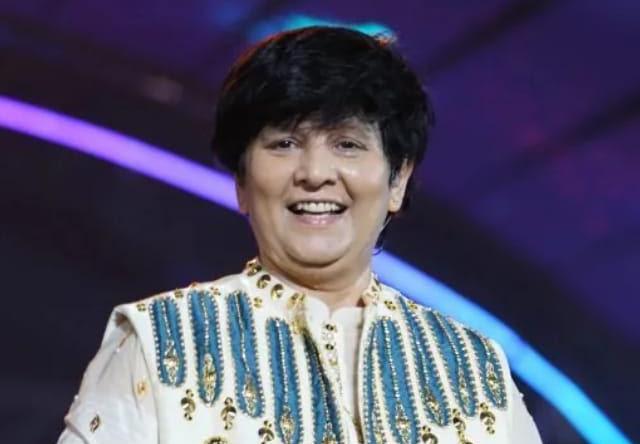
Falguni Pathak
It is difficult to talk about Mumbai’s Navratri without mentioning Falguni Pathak. For generations of audiences, her voice has been part of the city’s Garba soundtrack, making her one of the most recognisable performers associated with the festival.
Pathak will headline West Avenue Realty Navratri Utsav 2026 at Jio World Convention Centre, performing across all nine nights from October 11 to 19. Her continued presence on the Mumbai circuit is a reminder of just how enduring the connection between the singer and the city’s Navratri celebrations has become.
Kinjal Dave
Kinjal Dave has become one of the prominent contemporary voices in Gujarati folk and Garba music. Her energetic stage performances and strong repertoire of Gujarati songs have helped her connect traditional folk music with a younger audience.
This Navratri, Dave is set to headline Kora Kendra Navratri 2026 in Borivali and will also perform at The White Garba at Dome, SVP Stadium. Her appearances are among the highlights of Mumbai’s Garba calendar this year.
Parthiv Gohil
For Parthiv Gohil, the Navratri stage is another space where his varied musical background comes into play. The singer has moved comfortably between Gujarati folk, classical music, Bollywood playback and ghazals during his career.
Gohil has lent his voice to films including Devdas and Saawariya and has also been part of MTV Coke Studio India. That experience gives his live performances a repertoire that goes beyond conventional Garba, allowing him to move between folk, devotional and contemporary sounds.
Aishwarya Majmudar
Aishwarya Majmudar has been a familiar voice in Gujarati music since her early years as a singer and has also established herself in playback and live performance.
For Navratri 2026, Majmudar is taking her Rangtaali format to Ahmedabad’s Swarnim Nagari AC Dome Garba, where she is scheduled to perform from October 11 to 20. Her performances bring together the traditional energy of Gujarati Garba with the scale and production of a contemporary live show.
Gurdeep Mehndi
Adding a different dimension to this year’s Navratri line-up is Gurdeep Mehndi. Best known for his work across Punjabi music, Bollywood and independent releases, Mehndi does not come from the traditional Gujarati Garba circuit. That makes his current musical experiment particularly interesting.
The singer has released the teaser of his upcoming Dakla-style song, Maavdi, giving listeners a first glimpse of his take on the traditional Gujarati folk sound. The song brings together a distinctly Gujarati musical form with Mehndi’s own contemporary style, creating an interesting crossover between his Punjabi musical roots and Gujarati folk.
Mehndi’s catalogue includes the Bollywood track Don’t Be Shy Again, independent releases such as Sajri and Born Rich, and his recent release Chan Mahi. With Maavdi, he is now stepping into a sound that is markedly different from his familiar repertoire.
The teaser’s release comes at an apt time, with Navratri around the corner, and adds another layer to the singer’s musical journey. Rather than simply performing a conventional Garba number, Mehndi is exploring the Dakla format and bringing his own interpretation to it.
For an audience that once came primarily to dance to familiar Garba and Dandiya numbers, the modern Navratri concert has become a much broader live music experience.
And while the traditional beats remain at its centre, the voices around them are becoming increasingly diverse.
By Sunder M